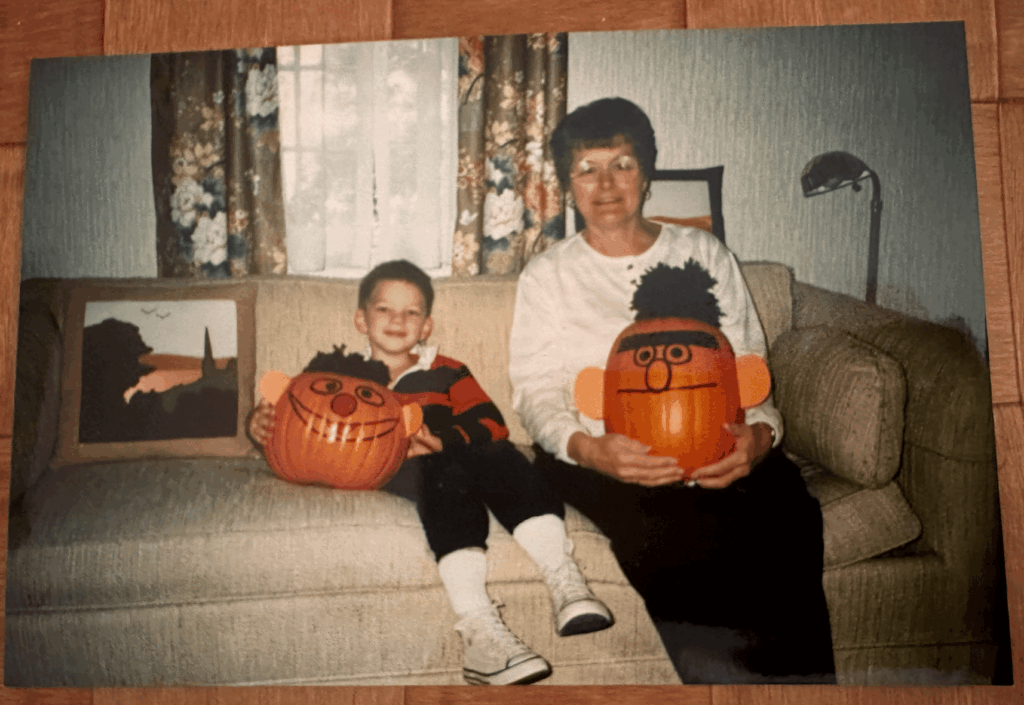
On Friday August 15th, my grandma passed away peacefully in her sleep at the age of 95.
I had driven to Massachusetts a few days earlier, and my father and I visited her the day before she passed.
We sat next to Gramma’s bed with two of her nieces, and I got to hear them swap stories about their childhood adventures in Littleton and Onset.
Although Gramma was sleeping, I got to say goodbye, kiss her on the forehead, and thank her for being an amazing grandmother for my 40+ years.
The next morning, her nephew and a handful of her Littleton friends (Gramma had quite the active social circle) came to visit, and a few hours later, she felt okay to let go and say goodbye herself.
Fortunately, I had been saying goodbye for months; my recent visits had been decidedly different than the decades prior.
My lucky childhood
I had the privilege to know all of my grandparents for more than half of my life.
My grandfathers both fought in World War II. My grandmothers were kind, hardworking souls that made everybody’s lives around them better. They all lived within driving distance, so they were a consistent, unwavering part of my life.
And then three of them passed away fairly suddenly:
- We lost my dad’s dad, Grampy, when I was in Peru in 2011.
- We lost my mom’s mom, Nana, when I was in Cambodia in early 2012.
- We lost my mom’s dad, Grampa, in early 2013.
Last summer, as I was starting a new chapter in my life, I drove up to spend the afternoon with Gramma, something I had done once or twice a year over the previous decade.
I helped her sort through some paperwork and stumbled across a printed version of the essay I had written about Grampy 13 years prior! She had kept it all this time.
That’s when I had a life-changing realization.
I had shared all of these lessons with the world as a tribute to my grandparents, but I didn’t have the chance to share them with each grandparent before they passed.
I realized I didn’t get to tell them how much they meant to me and how much I learned from them while they were still here.
I didn’t get to ask the questions I wanted to ask. I didn’t treat my last visit with them as the last visit, because I didn’t know that would be the last time I would see them.
This made me realize I had an opportunity to do things differently.
Saying Goodbye Over and Over
Gramma was an incredible quilter, and a few years ago, she gifted each of us grandkids one of her handmade quilts.
She explained to each of us why they were so special and why she was giving them to us:
“I was going to give these to you in my will, but this way we get to enjoy this moment together.”
It really was a special experience, and made the quilt so much more important than if I had been given it today.
This changed the last year of my interactions with her:
I listened more closely. I was more present. I asked more questions. I encouraged her to share as many stories as she could remember. I asked her questions about her childhood, about Grampy, about her life.
I knew each time could be the last time, and I treated each visit as if it was.
Last fall, as her health started to decline, I wrote an essay about what she meant to me.
I wanted her to know how much she meant to me while she was still here.
My father read to her in the hospital, and I will never forget the smile on her face as she listened.
Mortality provides the rest of us with a beautifully tragic gift: life is precious because it is impermanent.
There’s this Japanese concept called Ichi-go Ichi-e (“one time, one meeting”) that reminds us every time we spend time with somebody is the only time it’ll ever happen that exact way with that person. It’s a unique experience that’ll never happen again.
This means we have an opportunity to be more present and say goodbye every time we see somebody. We never know if we’ll get to see them again or have that experience again.
If we can bring a tiny bit of awareness to these interactions, it gives us a chance to treat each interaction with more intention.
And when the inevitable happens, we’ve already been saying goodbye.
Although I didn’t know Thursday was the last day I would see Gramma, I had been saying goodbye for months and months and treated each interaction as “one time, one meeting.”
4 Practical & Life-changing Books on Mortality
I’ve thought about mortality since Gramma’s passing, and I wanted to pass along some resources I’ve found helpful, insightful, and necessary over the years.
In addition to philosophy (Meditations, Wabi-sabi,) or whichever religion you follow, there’s also a lot of practical things about death that need to be considered as well.
Whether you’re 30 and think you;re immortal, you have an aging parent/grandparent, or you’re an aging parent or grandparent, these books might help you think differently about life and death and provide some perspective to live a little differently moving forward.
Finding the courage to take care of the practical parts of death while we’re still alive can help us (or our relatives) navigate the enjoyable time we DO have with each other.
Here are some resources I have found to be transformative:
Not Fade Away by Peter Barton (with Lawrence Shames)
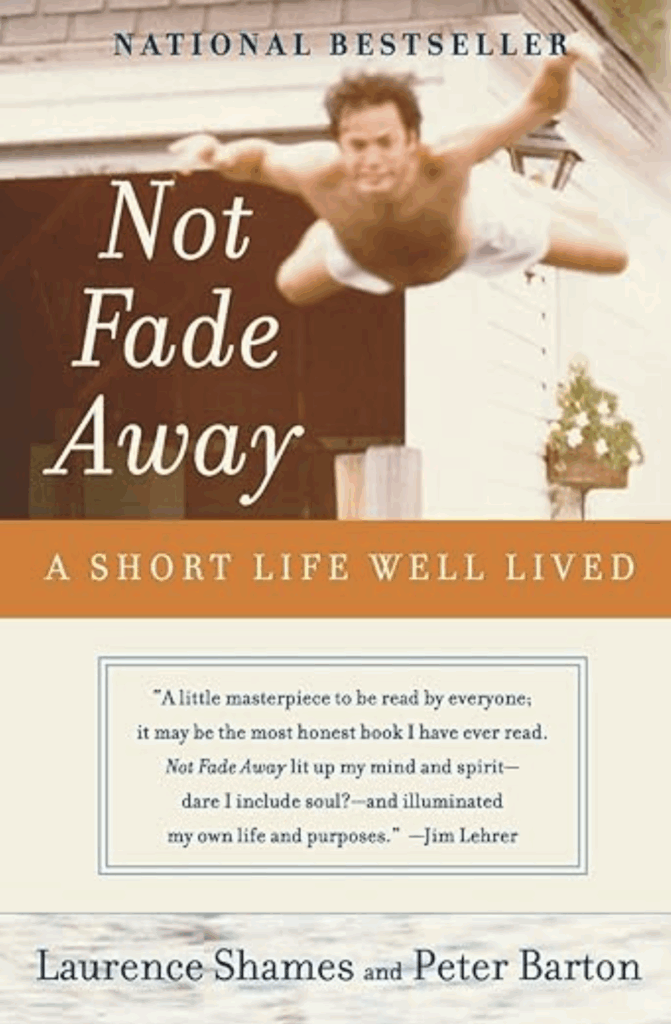
The most heartbreaking book I’ve read on mortality that has changed my life. Written by an entrepreneur who did everything right and still died from terminal cancer. It changed my perspective on “battling cancer” and what it means when the cancer “wins.”
This is one of the best books I’ve ever read on acceptance.
In a similar vein, I just revisited When Breath Becomes Air, written by Dr. Paul Kalanithi who finished residency only to get diagnosed with terminal cancer immediately thereafter. It will rip your heart out and change how you think about the concept of a “life plan.”
Being Mortal by Atul Gawande
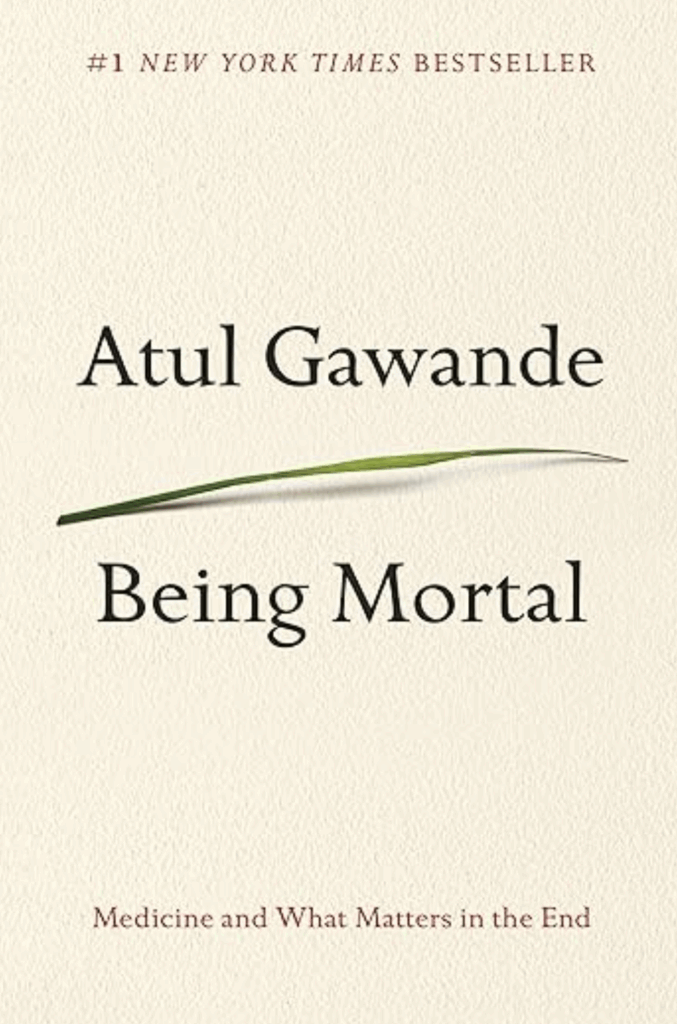
Written by a surgeon who has had countless conversations with people at the end of their lives, this uncomfortable and important book discusses “end of life” care and the conversations that need to happen.
Talking about one’s future death is terrifying for most, so deciding what sort of end of life care and how we want to live in our final days is courageous. It removes the burden of guilt or regret from our children’s shoulders or spouses’ shoulders.
There’s living and there’s existing.
We often sacrifice the former for the latter, and it can deteriorate the quality of life in the few precious days or months we have at the end. A must read.
Swedish Death Cleaning by Margareta Magnusson

The idea here is to not wait for your children to have to clean up your house after you’ve passed on..
Instead, we must make a concerted effort to donate, sell, minimize, and give away things long before we pass away.
If we don’t have time to deal with it, why should we assume our kids would have time to do so?
The key is having this realization before it’s too late or we’re unable.
When I wrote about Swedish Death Cleaning, my Gramma joked, “did he write this specifically for me?”
Die with Zero by Bill Perkins
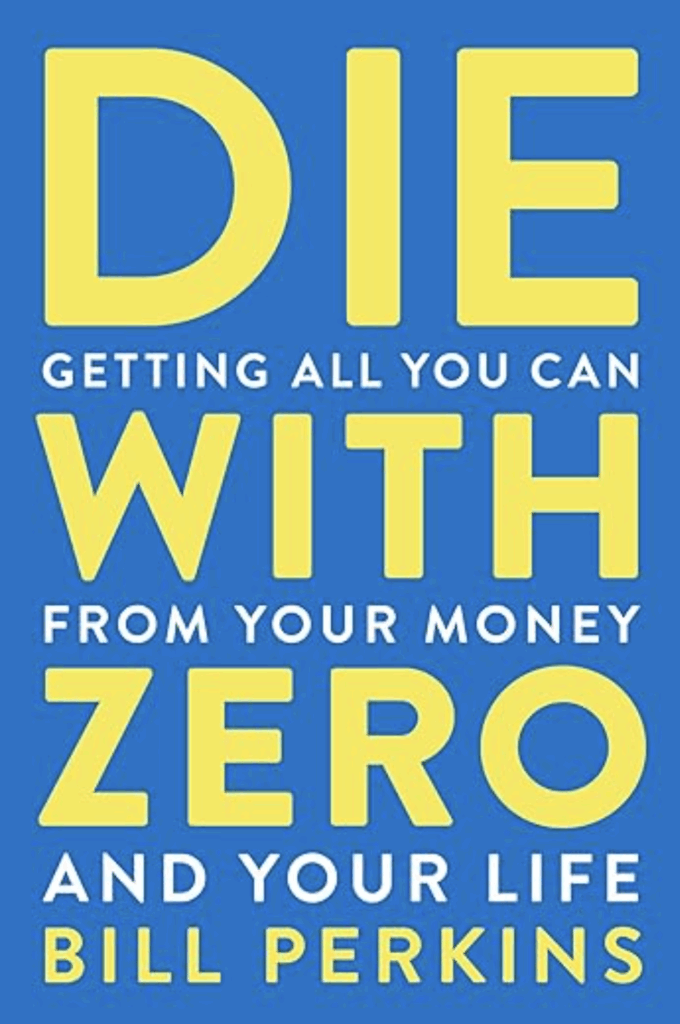
Instead of “accumulate more, die, leave it to relatives after we’re gone”, this book posits that money would have been better spent far more enjoyably, many years or decades prior.
Shared experiences with one’s children, donated to causes, and enjoyed during the lifetime of the person who accumulated that wealth. This book is worth reading for people who are 25 or 75.
I think about this with my own experiences: are there things I’m putting off for later, but really can only enjoy now, at this age, with my current level of health?
In a similar vein, I appreciate Scott Galloway’s perspective on money.
He recognizes his luck and privilege and donates, spends, or gives away accumulated money above a certain amount each year:
Tell your important people they’re important to you
I have ONE request today, in honor of my gramma, Barbara Kamb:
Pick up the phone and call somebody who’s important to you. It can be a parent or a grandparent, it can be a friend, it can be your partner or somebody you haven’t talked to in a decade.
And tell why they’re important to you or what you admire about them!
This is something you get to enjoy and share together, now.
Thanks for taking the time to read my essay.
I appreciate you.
-Steve
PS: If this resonated with you, I’d be honored if you shared it with somebody who could benefit from reading it. Cheers.